
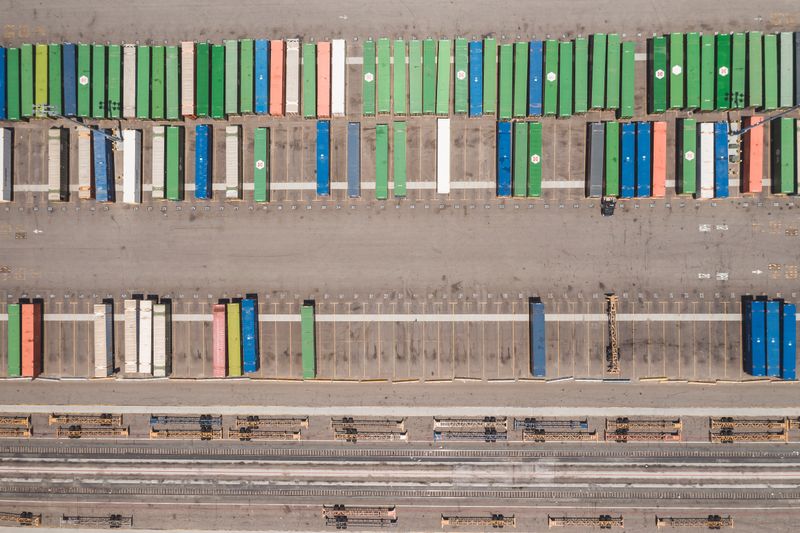
For Nigerian exporters, getting goods ready is only one part of international trade. The cargo still has to move through inspection, customs, the port or airport, and onto the vessel or aircraft taking it overseas.
That is where a freight forwarder comes in.
A good freight forwarder can coordinate transportation, bookings, documents, inspections, customs processes and carrier communication. A poor one can cause missed sailings, unexpected charges, documentation errors and delayed cargo.
This guide explains what freight forwarders do and what Nigerian exporters should check before hiring one.
What Is a Freight Forwarder?
A freight forwarder coordinates the movement of goods from origin to destination.
The forwarder usually does not own the ship or aircraft. Instead, they organise the logistics process and connect the exporter with truckers, terminals, carriers, customs agents and other service providers.
Typical services include:
- Inland transportation
- Cargo collection
- Container booking
- Warehousing
- Consolidation
- Export documentation
- Customs coordination
- Cargo insurance
- Shipping-line bookings
- Shipment tracking
- Destination coordination
In Nigeria, freight forwarding is regulated. Exporters should review the Council for the Regulation of Freight Forwarding in Nigeria for information on freight forwarding regulation and professional requirements.
What Does a Freight Forwarder Do?
1. Plans the Shipping Route
A freight forwarder helps determine how the cargo should move.
This could involve:
- Full container load
- Less-than-container load
- Air freight
- Road freight
- Multimodal transport
The best option depends on the product, volume, destination, delivery timeline and budget.
A competent forwarder should ask questions about your cargo before immediately giving you a price.
2. Books Space With Carriers
Forwarders arrange cargo space with shipping lines or airlines.
For sea freight, they may compare available routes, sailing dates and freight rates before making the booking.
Ask:
- Which carrier will move the cargo?
- Is the rate confirmed?
- How long is the quotation valid?
- Are there transhipments?
- What charges are excluded?
- What happens if the cargo is rolled to another vessel?
A cheap rate is not useful if important local charges appear later.
3. Coordinates Inland Transportation
The cargo must still move from your warehouse, factory or farm to the export facility or port.
A forwarder may arrange:
- Empty-container pickup
- Trucking
- Container stuffing
- Sealing
- Movement to an export processing facility
- Port gate-in
Always confirm whether inland transport is included in the quotation.
4. Coordinates Export Documents
Export shipments require several documents.
A forwarder may assist with:
- Commercial invoice
- Packing list
- Certificate of Origin
- Bill of Lading
- Air Waybill
- Customs declaration
- Inspection documents
However, hiring a forwarder does not remove the exporter’s own responsibilities.
For example, Nigerian businesses exporting formally should have the appropriate exporter registration. The official NEPC exporter registration platform provides access to the Exporter’s Certificate process.
The forwarder can support the process, but the exporter remains responsible for accurate business and shipment information.
5. Supports the NXP Process
Form NXP is an important part of Nigerian exports.
The Trade Monitoring System connects the exporter, authorised dealer bank and other trade participants.
According to the official TRMS export FAQs, exporters use the system for e-Form NXP processing, and a valid TIN and relevant transaction documents are required.
Your freight forwarder may help coordinate the shipping information needed for the transaction, but the exporter and processing bank remain central to the NXP process.
Do not allow anyone to make declarations in your company’s name without knowing what is being submitted.
6. Coordinates Inspection and Customs
Export cargo may require inspections and approvals depending on the product.
A freight forwarder may help coordinate:
- Pre-shipment inspection
- Product-specific certificates
- Customs examination
- Export declaration
- Container sealing
- Final release
One important distinction is that a freight forwarder is not automatically a licensed customs agent.
Some companies provide both services, but exporters should verify the company’s actual authorisations before assuming it can perform customs functions.
7. Coordinates Port Operations
Once cargo reaches the port, the forwarder may coordinate:
- Terminal handling
- Container gate-in
- Examination
- Shipping-line documentation
- Vessel cut-offs
- Loading confirmation
If a company claims to operate as a clearing and forwarding agent at Nigerian ports, exporters can review the official NPA agent requirements.
The NPA lists requirements including company registration, tax documentation and evidence of CRFFN registration.
8. Handles Shipping Documents
After shipment, the forwarder may coordinate the Bill of Lading or Air Waybill.
Before approving the final document, check:
- Shipper
- Consignee
- Notify party
- Product description
- Package count
- Weight
- Container details
- Ports
- Freight terms
Ask for a draft Bill of Lading before final issuance.
Compare it with your invoice, packing list, NXP information and letter of credit where applicable.
9. Tracks the Shipment
A good freight forwarder should provide updates as the shipment progresses.
For example:
Cargo collected → inspected → customs cleared → gated in → loaded → Bill of Lading issued → vessel departed
They should also communicate quickly if there is a missed vessel, documentation problem, customs query or carrier schedule change.
Freight Forwarder vs Shipping Line vs Customs Agent
These roles are different.
A freight forwarder coordinates the logistics process.
A shipping line provides ocean carriage.
A customs agent handles customs declarations and related formalities where appropriately licensed.
A trucker transports the cargo by road.
One company may provide several of these services, but exporters should verify exactly who is performing each task.
What the Exporter Is Still Responsible For
Outsourcing logistics does not mean outsourcing accountability.
The exporter remains responsible for accurate information about:
- Product
- Quantity
- Value
- Buyer
- Destination
- Export documents
The exporter also retains obligations connected with export proceeds.
The current CBN Forex Manual sets out requirements relating to Form NXP, export documentation and repatriation of export proceeds.
A good forwarder should understand where its responsibilities end and where the exporter, bank and government agencies take over.
How to Hire a Freight Forwarder in Nigeria
Do not hire based only on the lowest quotation.
Verify the Company
Ask for the legal company name, registration details and business address.
Make sure the name on the quotation, invoice and bank account matches the company you are hiring.
Avoid making large logistics payments into personal accounts.
Check CRFFN Registration
Ask for the company’s CRFFN registration details.
Do not assume association membership automatically proves regulatory compliance.
Verify the information before paying a deposit.
Check Customs Capability
If the company says it will handle customs declarations, ask whether it holds the relevant licence or works with a licensed customs agent.
You should know which company will actually file documents in your name.
Check Product Experience
Ask whether the forwarder has handled your type of goods before.
Agricultural commodities, processed food, textiles and machinery can have different documentation and handling requirements.
Ask for references from exporters with similar cargo.
Check Port Experience
Ask which ports or terminals the company regularly works through.
Experience at Apapa does not automatically mean the company has the same operational knowledge at Lekki, Onne or another gateway.
Demand an Itemised Quote
Ask the forwarder to separate charges such as:
- Trucking
- Stuffing
- Terminal handling
- Documentation
- Agency fees
- Ocean or air freight
- Bill of Lading fees
- Insurance
Also ask what is excluded.
The cheapest headline quote can become the most expensive shipment once omitted charges are added.
Questions to Ask Before Hiring
Before paying a freight forwarder, ask:
- What is your CRFFN registration number?
- Who will handle the customs declaration?
- Which ports or terminals do you regularly use?
- Have you handled my product before?
- Which carrier will move the cargo?
- What is included in your quotation?
- What is excluded?
- Who pays storage, detention or demurrage if delays occur?
- Will I receive a draft Bill of Lading?
- What insurance do you carry?
- Can you provide exporter references?
- Who will be my operations contact?
- How often will I receive shipment updates?
A professional forwarder should be able to answer these questions clearly.
Freight Forwarder Red Flags
Be cautious if the company:
- Cannot provide verifiable registration details
- Requests large payments to personal accounts
- Refuses to itemise charges
- Cannot explain NXP or customs processes
- Guarantees sailing dates it does not control
- Has no clear operations contact
- Pressures you to sign blank documents
- Cannot explain who will handle your customs declaration
- Will not provide references
These signs do not always prove fraud, but they justify more due diligence.
Final Thoughts
A freight forwarder can be one of the most important partners in a Nigerian export business.
The best forwarders do more than book cargo space. They coordinate transportation, documentation, terminals, carriers and export processes so your shipment moves with fewer surprises.
But exporters should still verify the company before handing over cargo or money.
Check the relevant registrations. Confirm customs capability. Ask about experience with your product and port. Demand an itemised quotation. Clarify insurance, delays and additional charges.
Most importantly, understand what the forwarder is doing in your company’s name.
A good freight forwarder should make international shipping easier to understand, not more confusing.
Stay Updated with Export Opportunities
Want to learn more about export opportunities, international markets, trade updates, business insights, and practical guides for growing your business globally?
Follow the Export Pundit WhatsApp channel and stay connected with the latest export information, opportunities, and resources.
Follow the Export Pundit channel on WhatsApp: https://whatsapp.com/channel/0029VbDqERt89inmi1pn6Q0Y