
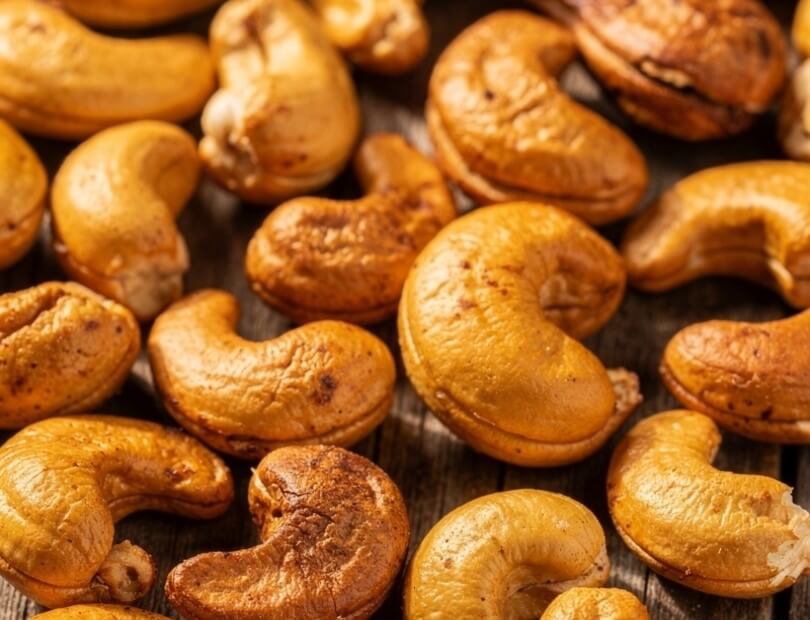
Cashew nuts sit at a unique intersection of agriculture and global consumer demand. Unlike bulk commodities that rely purely on volume, cashew combines high unit value, broad international demand, and multiple value-add pathways. For Nigeria, this makes cashew one of the most compelling non-oil exports.
Globally, cashew consumption has surged over the past decade, driven by changing diets, the popularity of plant-based foods, and the snack industry’s constant search for healthier alternatives. From supermarkets in Europe to street markets in Asia, cashew kernels are everywhere; roasted, salted, blended into butter, or processed into dairy alternatives.
Nigeria is a significant producer of raw cashew nuts (RCN), though it still exports a large portion in unprocessed form. This creates both an opportunity and a gap: exporters can profit from raw exports, but the real upside lies in processing and branding.
Within West Africa, Nigeria competes with major producers like Ivory Coast and Benin. Yet Nigeria’s scale, improving logistics, and expanding private-sector investment position it well to grow its share of the global market.
This guide takes you from first principles to advanced strategy; so you can move from “interested” to operational exporter.
Understanding Cashew: From Raw Nut to Global Product
Cashew begins as a raw nut attached to the cashew apple. The raw nut is encased in a hard shell containing a caustic liquid (cashew nut shell liquid, or CNSL), which means it cannot be consumed without processing.
The export market splits into two main product categories:
- Raw Cashew Nuts (RCN)
These are unprocessed nuts exported in bulk to countries with large processing industries. RCN exports are simpler operationally but yield lower margins. - Cashew Kernels (Processed)
These are shelled, peeled, graded nuts ready for consumption or packaging. Kernel exports command significantly higher prices but require investment in processing, quality control, and certification.
The choice between RCN and kernels is a strategic one. Many new exporters start with RCN due to lower capital requirements, then move up the value chain as they gain experience and capital.
Grading, Standards, and What Determines Price
If you want to make serious money in cashew, you must understand grading. Buyers do not pay “one price for cashew”; they pay based on size, colour, integrity, and defect level.
For kernels, common grades include:
- WW (White Whole): Premium, intact kernels with bright colour
- SW (Scorched Whole): Slightly discoloured but still whole
- LP (Large Pieces) and SP (Small Pieces): Broken kernels used in food processing
Higher grades (like WW320, WW240) command premium prices due to their appearance and suitability for retail packaging.
For raw cashew nuts, pricing depends on:
- Outturn (kernel yield) – how many pounds of kernels can be obtained from a bag of raw nuts
- Moisture content – high moisture reduces quality
- Nut count per kilogram – fewer nuts per kg usually indicates larger size
Exporters who ignore grading effectively leave money on the table.
Where Nigerian Cashew Are Most Sold
Cashew trade is global, but it follows a clear structure: Africa produces, Asia processes, and the world consumes.
- Vietnam
Vietnam is the world’s largest processor and exporter of cashew kernels. It imports massive volumes of raw cashew nuts from Africa, including Nigeria, processes them, and re-exports finished kernels globally.
For Nigerian exporters, Vietnam is the single most important market for RCN. Buyers here focus heavily on outturn and consistency.
- India
India has a long history in cashew processing. Although domestic production exists, it imports raw nuts to sustain its processing industry.
Indian buyers are experienced and detail-oriented. They assess quality rigorously and often negotiate aggressively on price.
- United States
The U.S. is one of the largest consumers of cashew kernels. Demand is driven by retail snacks, health foods, and plant-based alternatives like cashew milk.
Exporting directly to the U.S. typically requires processed kernels and strict compliance with food safety standards.
- Netherlands
The Netherlands acts as a distribution gateway into Europe. Cashew kernels entering Dutch ports are redistributed across the EU.
- United Arab Emirates
The UAE is both a consumer market and a re-export center, supplying cashew to other Middle Eastern countries.
Demand Drivers: Why Cashew Consumption Keeps Rising
Cashew demand is not accidental – it is driven by structural changes in global consumption.
First is the health and wellness movement. Consumers are shifting away from processed snacks toward natural, nutrient-rich options. Cashews are rich in healthy fats, protein, and minerals, making them highly attractive.
Second is the growth of plant-based diets. Cashews are widely used to produce dairy alternatives such as vegan cheese, milk, and cream.
Third is the expansion of the snack industry. Packaged nuts are a fast-growing category in supermarkets worldwide.
Finally, population growth and rising incomes in emerging markets continue to expand the consumer base.
Pricing and Profitability: Where the Money Is Made
Cashew is a high-margin commodity – but only if managed correctly.
Revenue Depends On:
- Product type (RCN vs kernels)
- Grade (for kernels)
- Outturn (for raw nuts)
- Market timing
- Exchange rate
Raw cashew nuts offer lower margins but quicker turnover. Kernel exports offer higher margins but require more capital and operational complexity.
The most profitable exporters often combine both:
- Export RCN for steady cash flow
- Process a portion into kernels for higher margins
Who Buys Cashew Nuts?
Cashew buyers fall into distinct categories.
- Processing companies in Vietnam and India dominate RCN purchases. They buy in bulk and prioritize consistent supply.
- Food manufacturers and retail brands purchase processed kernels for packaging and sale.
- Commodity traders act as intermediaries, connecting producers with global buyers.
- Specialty importers focus on organic or premium-grade cashews for niche markets.
Understanding your buyer determines everything; from pricing to packaging to certifications.
Nigeria’s Competitive Advantage (and Its Gap)
Nigeria’s strength lies in production volume and favorable growing conditions. The country produces large quantities of raw cashew nuts annually, especially in states like Kogi, Kwara, Oyo, and Enugu.
However, the major gap is processing capacity. Much of Nigeria’s cashew is exported raw, meaning the country loses out on value addition.
This gap is also an opportunity. Exporters who invest in processing can capture significantly higher margins and access premium markets.
End-to-End Export Process: How Cashew Moves from Farm to Buyer
The export journey begins with sourcing. Exporters purchase raw cashew nuts from farmers or aggregators. At this stage, quality assessment is critical; moisture content, nut size, and cleanliness must be checked.
Next is storage. Cashew must be stored in dry, ventilated conditions to prevent spoilage.
If exporting kernels, processing follows. This includes shelling, drying, peeling, grading, and packaging.
Export documentation is then prepared, including invoices, packing lists, and certificates of origin. Regulatory compliance is handled through bodies like the Nigerian Export Promotion Council.
Shipping is typically done via containerized freight through Lagos ports. Payment is secured using international trade instruments such as letters of credit.
Risks You Must Understand Before Entering the Market
Cashew export is profitable, but not forgiving.
- Quality risk is high. Poor-quality nuts can lead to rejection or heavy discounts.
- Price volatility can affect margins, especially if you buy at peak prices and sell during a downturn.
- Buyer risk exists, particularly with unknown international partners.
- Logistics risk includes port delays, shipping disruptions, and damage during transit.
Mitigating these risks requires experience, due diligence, and proper systems.
Strategy: How to Build and Scale a Cashew Export Business
A smart entry strategy is to start as an aggregator; buying from farmers and selling to exporters or international buyers. This helps you understand pricing and logistics without heavy investment.
The next step is to build direct relationships with international buyers. This reduces reliance on middlemen and increases margins.
As capital grows, investing in processing becomes the game-changer. Exporting kernels instead of raw nuts significantly increases revenue potential.
Finally, scaling involves securing long-term contracts, improving storage and logistics, and possibly building a recognizable export brand.
Final Insight: Where Most Exporters Get It Wrong
Most new exporters focus only on buying and selling. That approach works but it limits growth.
The real advantage comes from:
- Understanding grading deeply
- Controlling quality at source
- Building long-term buyer relationships
- Moving into processing
Cashew is not just a commodity; it is a value chain. The deeper you go into that chain, the more profit you capture.
Conclusion: A High-Margin Gateway into Global Trade
Cashew nuts offer one of the most compelling export opportunities in Nigeria today. They combine strong global demand, high unit value, and multiple pathways for scaling.
Whether you start with raw exports or move directly into processing, the opportunity is clear:
global demand exists, and Nigeria has the supply.
The difference between average and exceptional exporters comes down to knowledge, execution, and long-term strategy.
Our direct messages are open for further clarification, consulting services, hand-holding, and training guides.