
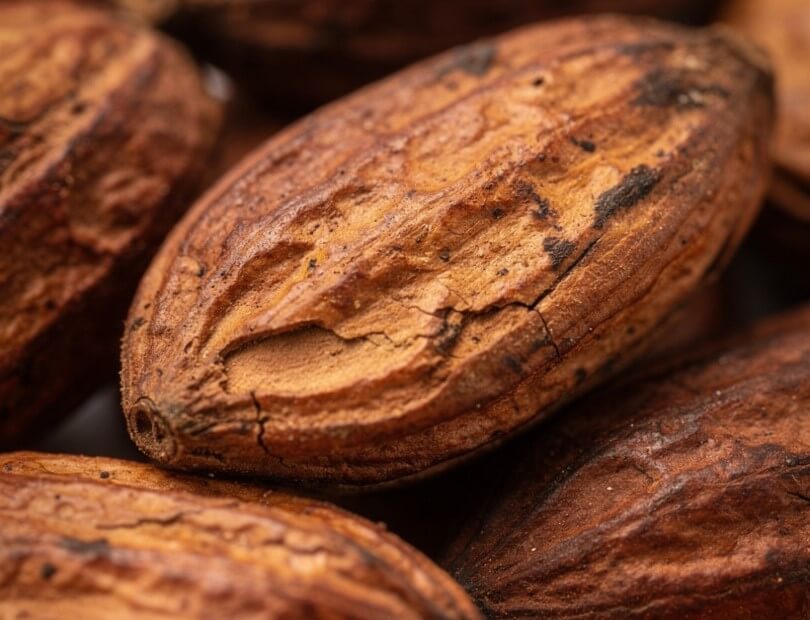
Cocoa beans are one of the most important agricultural commodities in global trade, not just because of their role in chocolate production, but because they sit at the center of a massive industrial ecosystem that includes food manufacturing, cosmetics, pharmaceuticals, and even financial commodity trading.
Nigeria is one of the key players in this ecosystem. Although the country is often overshadowed by larger producers like Ivory Coast and Ghana, it remains a critical supplier in the global cocoa supply chain. Cocoa is one of Nigeria’s strongest non-oil export commodities, contributing significantly to foreign exchange earnings and rural agricultural employment.
Globally, cocoa demand continues to rise steadily due to increasing chocolate consumption, expanding middle-class populations in emerging economies, and the growth of premium chocolate brands. What makes cocoa particularly interesting is that demand is relatively inelastic people do not significantly reduce chocolate consumption even when prices rise, making it a stable export commodity.
For Nigerian exporters, this creates a long-term opportunity. However, success in cocoa export is not simply about selling beans abroad. It requires understanding global buyers, quality expectations, pricing systems, logistics, and international compliance standards.
Understanding Cocoa Beans: From Farm to Export Commodity
Cocoa beans are the fermented and dried seeds of the cocoa pod, scientifically known as Theobroma cacao. The journey from cocoa farm to export-ready product involves several stages that directly influence quality and pricing.
After harvesting, cocoa pods are broken open and the wet beans are removed. These beans undergo fermentation, a critical biological process that develops the flavor compounds required for chocolate production. Fermentation usually lasts several days and must be carefully managed to avoid mold growth or under-development.
Once fermentation is complete, the beans are dried, typically under the sun in West African countries like Nigeria. Drying reduces moisture content to safe levels, usually around 6-7 percent. If moisture is too high, beans can spoil during storage or shipment, leading to rejection by international buyers.
At this stage, cocoa becomes a tradable commodity. However, not all cocoa beans are equal. International buyers classify beans based on size, fermentation quality, moisture level, and defect count. This grading system directly determines price.
Higher-grade cocoa beans fetch premium prices because they produce better-quality chocolate and require less processing. Lower-grade beans are still usable but are typically sold to mass-market manufacturers at lower prices.
Understanding this process is essential because exporters who ignore quality control often lose significant revenue or lose buyers entirely.
Global Cocoa Market Structure and Nigeria’s Position
The global cocoa market is heavily concentrated, both in production and processing. West Africa dominates production, supplying more than two-thirds of global cocoa. However, most of the value-added processing happens outside Africa, particularly in Europe and North America.
Nigeria’s position in this structure is that of a raw material supplier. While this limits value capture compared to chocolate-producing countries, it also creates a stable export opportunity due to consistent demand.
The global cocoa trade is influenced by several major players:
- European processing hubs that convert cocoa beans into cocoa butter, powder, and liquor
- Large chocolate manufacturers in the United States
- Commodity traders who manage global supply chains
- Emerging processors in Asia
These players create a highly interconnected system where cocoa beans move from African farms to global factories before reaching consumers as chocolate products.
Nigeria’s strategic advantage lies in its geographical proximity to European markets, relatively large production base, and improving export infrastructure.
Top Countries Importing Cocoa Beans from Nigeria
One of the most important aspects of cocoa export is understanding where demand comes from. Nigerian cocoa beans are exported to several key regions, each with distinct consumption patterns and industrial uses.
a) Netherlands: The Global Cocoa Gateway
The Netherlands plays a unique role in the global cocoa industry. It is not just an importer but also a major processing hub. A large percentage of cocoa entering Europe passes through Dutch ports, where it is processed into intermediate products used by chocolate manufacturers across the continent.
For exporters, this means the Netherlands is often the first entry point into the European market. Once cocoa beans arrive there, they are distributed to other countries within the European Union.
b) Germany: Industrial Chocolate Powerhouse
Germany is one of the largest chocolate producers in the world. Its food manufacturing sector is highly industrialized, requiring a steady and reliable supply of cocoa beans. Nigerian cocoa finds a strong market here due to Germany’s large-scale production capacity.
German buyers are particularly strict about quality standards, meaning exporters must maintain consistent fermentation and drying practices.
c) United States: High-Consumption Market
The United States is one of the largest consumers of chocolate globally. Unlike Europe, where cocoa is heavily processed before final production, the U.S. hosts both large multinational chocolate companies and smaller artisanal producers.
This creates a dual demand structure: bulk cocoa for industrial use and premium cocoa for niche chocolate makers. Nigerian exporters who can meet quality expectations can access both segments.
d) Belgium: Premium Chocolate Market
Belgium is globally recognized for high-quality chocolate. Belgian manufacturers often prefer premium-grade cocoa beans with strong flavour profiles. This makes the market highly selective but profitable for exporters who meet quality thresholds.
Growing Demand in Asia
Countries such as China and India are becoming increasingly important in the cocoa trade. Rising disposable incomes and changing consumption habits are driving demand for chocolate products in these regions.
Although Asia currently consumes less cocoa than Europe or North America, its growth rate is significantly higher, making it a strategic future market for exporters.
Global Demand Trends Shaping the Cocoa Industry
The cocoa market is not static. It evolves based on consumer behaviour, climate conditions, and global economic trends.
One of the strongest current trends is the increasing demand for sustainable and ethically sourced cocoa. Consumers in developed countries are becoming more conscious of where their food comes from, leading to pressure on manufacturers to ensure transparency in their supply chains.
This has introduced certification systems such as Fairtrade and organic labeling. While these certifications can be costly for farmers and exporters, they significantly increase market access and pricing potential.
Another major trend is the rise of premium chocolate products. Instead of mass-produced chocolate, consumers are increasingly interested in artisanal, high-cocoa-content products. This shift increases demand for high-quality cocoa beans.
Climate change is also affecting global supply. Cocoa production is highly sensitive to rainfall and temperature conditions. Any disruption in major producing countries can lead to global shortages, which often results in price increases.
For Nigerian exporters, these trends represent both challenges and opportunities. Meeting quality and sustainability standards can unlock higher-value markets.
Who Actually Buys Cocoa Beans?
Understanding buyers is essential for building a successful export business. Cocoa beans are not usually purchased directly by end consumers but by a chain of industrial players.
The first category is cocoa processors. These companies transform raw cocoa beans into intermediate products like cocoa butter, cocoa powder, and cocoa liquor. These products are then sold to chocolate manufacturers or cosmetic companies.
The second category is chocolate manufacturers. These include global brands as well as regional producers. They require consistent supply and often enter long-term contracts with suppliers.
Commodity traders form the third category. These are large firms that specialize in buying and selling raw materials globally. They act as intermediaries, connecting producers with industrial buyers.
The fourth category includes cosmetic and pharmaceutical companies. Cocoa butter is widely used in skincare products due to its moisturizing properties.
Each of these buyer categories has different requirements, but all prioritize quality, consistency, and reliability of supply.
Why Nigeria Has Strong Cocoa Export Potential
Nigeria’s cocoa industry benefits from several structural advantages.
First, the country has a favourable tropical climate suitable for cocoa cultivation. States such as Ondo, Cross River, and Ogun produce significant volumes annually.
Second, cocoa farming in Nigeria is largely decentralized, involving thousands of smallholder farmers. This creates a wide production base, although it also introduces challenges in quality control.
Third, Nigeria’s access to seaports provides a logistical advantage for international trade. Exporters can ship cocoa through major ports in Lagos, connecting directly to Europe and other regions.
However, Nigeria still faces challenges such as inconsistent quality standards, limited processing capacity, and infrastructure bottlenecks.
The Real Export Process: Step-by-Step Breakdown
Exporting cocoa beans is not simply about finding a buyer. It is a structured process that involves regulatory compliance, logistics, and financial planning.
The first step is business registration with the Corporate Affairs Commission, which legally establishes the exporter as a business entity.
Next, exporters must register with the Nigerian Export Promotion Council to obtain the necessary export documentation and certification.
Quality control is critical at this stage. Cocoa beans must meet international standards in terms of fermentation, moisture content, and cleanliness. Failure to meet these standards can result in rejection at destination ports.
Once quality is confirmed, exporters source buyers through trade platforms, export agents, or direct international contracts.
Shipping and logistics follow, usually through containerized freight from Nigerian ports. Payment is typically secured using instruments such as letters of credit to reduce risk.
Risks in Cocoa Export Business
While cocoa export is profitable, it is not without risk.
Price volatility is one of the biggest challenges. Cocoa prices fluctuate based on global supply and demand conditions.
Quality rejection is another major risk. If cocoa does not meet buyer specifications, shipments may be rejected or discounted.
Logistics delays at ports can also affect delivery timelines and increase costs.
Finally, currency fluctuations between the Nigerian naira and the U.S. dollar can impact profitability.
Conclusion
Cocoa beans represent one of the most stable and globally demanded agricultural exports available to Nigeria. However, success in this industry requires more than access to supply. It requires understanding global markets, maintaining strict quality standards, and building long-term buyer relationships.
For exporters willing to invest in knowledge, systems, and quality control, cocoa is not just a commodity it is a gateway into global trade networks worth billions of dollars annually.
Our direct messages are open for further clarification, consulting services, hand-holding, and training guides.