
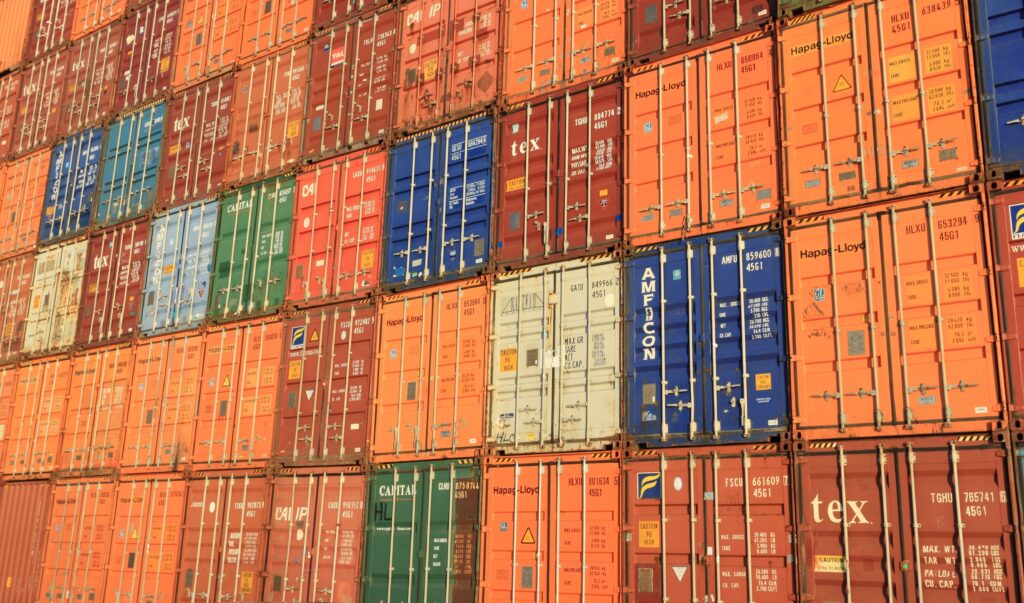
Many Nigerian exporters focus on finding buyers, negotiating prices, and arranging shipment. However, one major challenge often appears after the goods have already been prepared for export: rejection at the destination country.
A rejected shipment is expensive. The exporter may lose money on production, transportation, freight, customs charges, storage, and sometimes the entire order. In some cases, the buyer may refuse future business because trust has been affected.
The good news is that most export rejections are preventable.
Before booking a container, exporters should understand the common reasons international buyers and regulators reject Nigerian products and the steps required to prevent these problems.
1. High Aflatoxin Levels in Agricultural Products
Aflatoxin is one of the biggest challenges affecting agricultural exports, especially products such as groundnuts, maize, sesame seeds, spices, and other crops.
Aflatoxins are toxic substances produced by certain fungi that grow on crops during poor handling, storage, or transportation. Many international markets have strict limits on acceptable aflatoxin levels because of food safety concerns.
A shipment with aflatoxin levels above the allowed limit may be rejected, destroyed, returned, or subjected to additional treatment.
How exporters can prevent aflatoxin rejection:
- Source products from reliable farmers or suppliers.
- Avoid harvesting crops during excessive moisture conditions.
- Dry agricultural products properly before storage.
- Store products in clean, dry facilities.
- Conduct laboratory testing before shipment.
- Maintain proper ventilation during storage.
Testing before export is cheaper than losing an entire container after arrival.
2. Excess Moisture Content
Moisture is another major cause of export rejection, especially for agricultural products.
Products that contain excess moisture may develop mould, spoil during transportation, lose quality, or fail destination-country requirements.
For example, cocoa, sesame seeds, dried vegetables, spices, and grains require proper moisture control because shipping conditions can expose products to heat and humidity.
How to prevent moisture-related problems:
- Measure moisture levels before packaging.
- Use appropriate drying methods.
- Avoid packing products immediately after drying without allowing proper cooling.
- Use moisture-resistant packaging where necessary.
- Store products away from water exposure.
Many exporters check the appearance of their products but ignore moisture testing. A product may look acceptable and still fail quality inspection.
3. Incorrect or Incomplete Labelling
International buyers expect products to meet their country’s labelling requirements. A product with missing information or incorrect labels may face delays or rejection.
Common labelling problems include:
- Missing product name.
- Incorrect country of origin.
- Missing ingredient information.
- Incorrect expiry or production dates.
- Missing batch numbers.
- Failure to meet language requirements.
- Incorrect weight declaration.
For food products, labelling requirements are usually stricter because consumers need accurate information about ingredients, allergens, and safety.
How to fix labelling issues:
Before printing thousands of labels, confirm the buyer’s market requirements.
Ask:
- What information must appear on the label?
- Is a specific language required?
- Are there special packaging standards?
- Does the destination country require specific certifications?
A label designed for the Nigerian market may not automatically meet European, American, or Middle Eastern market requirements.
4. Poor Packaging Standards
Packaging is not only about making products look attractive. It protects the goods during handling, storage, and international transportation.
A product can leave Nigeria in good condition and arrive damaged because of poor packaging decisions.
Common packaging problems include:
- Weak cartons.
- Poor sealing.
- Incorrect pallet size.
- Lack of protection against moisture.
- Packaging that does not meet buyer specifications.
- Using packaging materials prohibited in certain markets.
Export packaging should consider the full journey, including inland transport, port handling, ocean freight, customs inspection, and final delivery.
How exporters can improve packaging:
- Use export-grade materials.
- Confirm packaging requirements with buyers.
- Conduct trial shipments before large orders.
- Label packages clearly.
- Protect fragile products against movement and temperature changes.
The cheapest packaging option is not always the most profitable choice. Damaged goods create bigger losses.
5. Documentation Mismatch
Documentation errors are among the easiest problems to prevent and one of the most common causes of shipment delays.
Every document related to the shipment should match.
Common mismatches include:
- Invoice quantity does not match packing list.
- Product description differs across documents.
- Wrong HS code.
- Incorrect shipment value.
- Different exporter or importer details.
- Incorrect port information.
For example, if the commercial invoice states 1,000 cartons but the packing list shows 950 cartons, customs authorities or the buyer may request clarification.
How to prevent documentation problems:
Create a document checklist before shipment.
Review:
- Commercial invoice.
- Packing list.
- Certificate of origin.
- Inspection certificates.
- Export documentation.
- Shipping documents.
Small errors created before shipment can become expensive problems after arrival.
6. Incorrect Country of Origin Information
Some exporters underestimate the importance of origin documentation.
The country of origin identifies where the product was produced or substantially processed. Incorrect origin information can create customs issues, especially when trade agreements, duties, or import restrictions are involved.
For Nigerian exporters, claiming Nigerian origin requires accurate supporting information.
Problems occur when:
- Products are sourced from another country but incorrectly labelled as Nigerian.
- Certificates of origin contain errors.
- Supplier information is incomplete.
How to prevent origin-related rejection:
Maintain proper supplier records and ensure all origin documents accurately represent the product’s source.
Transparency builds trust with buyers and reduces customs complications.
7. Failure to Understand Destination Market Requirements
A product accepted in Nigeria may not meet the standards of another country.
Different markets have different requirements for:
- Food safety.
- Packaging.
- Labelling.
- Certifications.
- Product testing.
- Chemical limits.
Successful exporters research the destination market before production begins.
Do not wait until the goods are packed before checking requirements.
Export Quality Checklist Before Booking a Container
Before confirming shipment, ask yourself:
- Has the product been tested for required quality standards?
- Does the packaging meet the buyer’s requirements?
- Are labels correct for the destination market?
- Do all documents contain matching information?
- Is the certificate of origin accurate?
- Has the buyer approved the final product specifications?
- Have logistics and storage conditions been considered?
If any answer is no, the shipment is not ready.
Final Thoughts
Export rejection usually does not happen because Nigerian products lack quality. Many failures happen because exporters overlook international standards, documentation accuracy, and destination-market requirements.
A container should not be booked based only on production readiness. It should be booked after quality checks, documentation review, and buyer requirements have been confirmed.
For Nigerian SMEs, the goal is not only to send products abroad. The goal is to send products that arrive, pass inspection, satisfy buyers, and create repeat business.
The best exporters build quality control into their process before the shipment leaves Nigeria.
Stay Updated with Export Opportunities
Want to learn more about export opportunities, international markets, trade updates, business insights, and practical guides for growing your business globally?
Follow the Export Pundit WhatsApp channel and stay connected with the latest export information, opportunities, and resources.
Follow the Export Pundit channel on WhatsApp: https://whatsapp.com/channel/0029VbDqERt89inmi1pn6Q0Y