
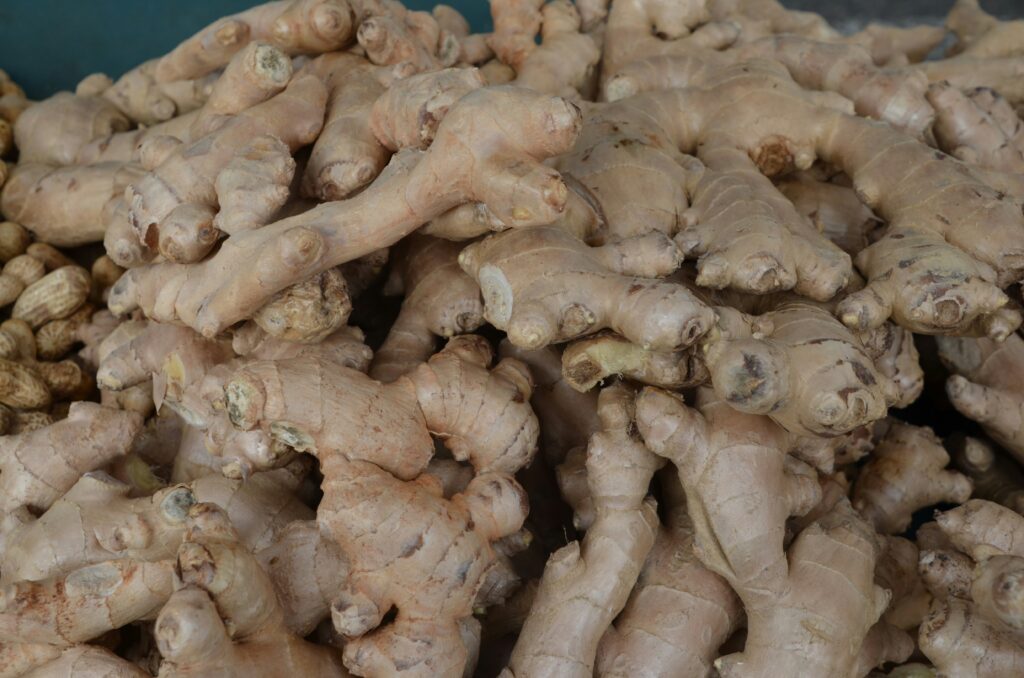
Good agricultural produce can lose export value before it ever reaches the port.
Cocoa beans that absorb moisture in a warehouse can develop mould. Sesame stored in damp conditions can become contaminated or infested. Dried ginger that was properly processed can still fail inspection if it picks up moisture, pests or foreign odours before shipment.
For Nigerian agricultural exporters, storage is therefore part of quality control, not simply a place to keep bags while waiting for a vessel.
The Federal Produce Inspection Service checks produce at registered warehouses and carries out moisture, quality and shipment checks before qualifying agricultural commodities for export.
Here is how exporters should handle cocoa, sesame and ginger between processing and shipment.
Start With the Right Export Warehouse
Before looking at individual commodities, the warehouse itself needs attention.
Federal Produce Inspection Service guidance requires export commodities to be presented at a registered commodity warehouse. Produce arriving at the warehouse undergoes an arrival check to determine whether it is still of exportable quality, followed by another check when it is ready for shipment.
A suitable agricultural export warehouse should be:
- Dry
- Clean
- Well ventilated
- Protected from rain and flooding
- Free from insects and rodents
- Free from chemical or fuel odours
- Easy to inspect and fumigate
- Protected against contamination from other goods
Avoid placing export bags directly on a bare floor or against damp walls.
Use pallets or suitable dunnage so air can move around the stacks and so the produce is separated from possible floor moisture.
Keep enough space around stacks for inspection, cleaning and pest monitoring.
Moisture Is the Biggest Storage Risk
For most dried export commodities, moisture is the first thing to control.
Excess moisture encourages fungal growth and can lead to mycotoxin problems. FAO guidance notes that fungal deterioration becomes increasingly likely when stored products create high-humidity conditions within the bulk.
Do not rely on appearance alone.
A bag of cocoa or sesame can look dry while still carrying more moisture than the buyer’s specification permits.
Use a properly calibrated moisture meter and keep records for each lot.
Most importantly, check the specification written into your export contract. A buyer can require a lower moisture limit than a general Nigerian commodity guideline.
How to Store Export-Grade Cocoa Beans
Cocoa should be completely fermented and properly dried before entering long-term warehouse storage.
The International Cocoa Organization says properly dried cocoa should reach about 7.5% moisture, which is suitable for secure storage for a limited period under tropical conditions.
Do not bag cocoa while it is still warm or insufficiently dried.
Keep Cocoa Away From Moisture
Cocoa beans absorb moisture from humid surroundings.
Warehouses should therefore remain dry, particularly during the rainy season.
ICCO guidance for cocoa warehouses recommends sound floors without cracks where insects can hide, with warehouse levels designed to reduce the risk of flooding.
Place cocoa bags on pallets rather than directly on the floor.
Also leave space between the bags and external walls.
Protect Cocoa From Odours
Cocoa beans can absorb foreign smells.
Do not store export cocoa beside:
- Fuel
- Chemicals
- Fertiliser
- Pesticides
- Paint
- Strong-smelling spices
- Contaminated packaging
An apparently clean cocoa shipment may still face buyer complaints if the beans develop an abnormal odour.
Avoid Excessively Long Storage
Cocoa should not remain in a tropical warehouse indefinitely.
ICCO notes that even properly dried cocoa can face increasing mould and pest risks when stored in tropical conditions for more than about two to three months.
Use stock rotation and organise shipments so older approved lots leave first.
How to Store Sesame Seeds for Export
Sesame looks less delicate than cocoa, but poor storage can quickly affect export quality.
NEPC’s sesame profile identifies export-quality Nigerian sesame with characteristics including approximately 8% maximum moisture, high purity and limited foreign matter. It also lists clean jute or polypropylene bags as normal export packaging.
Dry Before Storage
Do not use warehouse storage to finish drying wet sesame.
The seed should already meet the agreed moisture level before it is bagged.
If sesame is stored too wet, mould, insects and quality deterioration can follow.
Separate lots that fail moisture testing rather than mixing them with compliant seed.
Keep Bags Clean
Sesame is commonly sold for food processing, oil extraction and confectionery markets, making contamination particularly important.
Use new or properly approved clean bags.
Do not reuse bags that previously carried chemicals, fertiliser or other materials capable of contaminating the seed.
Protect Against Pests
Inspect sesame regularly for:
- Beetles
- Weevils
- Rodents
- Webbing
- Live insects
- Damaged bags
Any infestation should be addressed before the product reaches the container.
Because sesame can be stored for a period before export, lot identification and warehouse hygiene should be maintained throughout storage.
How to Store Dried Ginger for Export
Dried ginger requires particularly careful moisture and mould control.
There are slightly different Nigerian references for moisture specifications. The current Nigeria Trade Information Portal states that dried ginger moisture should not exceed 10%, while NEPC’s product profile gives an 8% maximum specification.
The practical rule is to follow whichever limit is stricter in the buyer’s contract or destination-market specification.
An exporter targeting 8% has more margin against moisture pickup than one storing ginger right at a 10% maximum.
Store Only Fully Dried Ginger
Ginger pieces should be dry throughout, not simply dry on the outside.
Check several samples from different bags or parts of the lot.
Watch for:
- Soft pieces
- Visible mould
- Dark damp patches
- Insect activity
- Unusual smells
- Excess foreign material
Do not mix questionable material into an approved export lot.
Use Clean, Dry Packaging
NEPC identifies clean polypropylene woven bags as a common packaging option for dried split ginger.
Whatever packaging the buyer requires, it should be clean, dry and strong enough to survive handling between the warehouse and destination.
Fresh Ginger Needs Different Storage
Fresh ginger should not be handled like dried ginger.
It still contains substantial moisture and normally requires controlled storage to reduce dehydration, sprouting and decay.
FAO post-harvest guidance gives approximately 12–14°C and 65–75% relative humidity as storage conditions for ginger rhizomes, with proper ventilation also important.
Codex also requires fresh ginger to be sound, clean, firm, practically free from pests and free from abnormal external moisture.
If you are exporting fresh ginger, plan the cold-chain and transit time separately from dried-ginger shipments.
Fumigation and Pest Control Before Shipment
Agricultural exporters should not wait until container loading to think about fumigation.
FPIS guidance states that export produce must be fumigated for a minimum period of 72 hours, with the fumigation remaining valid for 21 days under its procedure before re-fumigation becomes necessary.
Only appropriate approved treatments should be used.
Keep fumigation records and certificates with the shipment documentation.
Nigeria Agricultural Quarantine Service may also inspect commodities and storage facilities before issuing phytosanitary certification. NAQS states that exported plant products must meet the phytosanitary requirements of the destination country.
Check the Produce Again Before Container Loading
Passing an inspection when the produce entered the warehouse does not guarantee that it is still export-ready two weeks later.
Before loading, recheck:
- Moisture
- Pest activity
- Mould
- Foreign matter
- Packaging condition
- Lot identification
- Weight
- Buyer specifications
- Required fumigation validity
- Phytosanitary requirements
Also inspect the container itself.
It should be clean, dry, structurally sound and free from strong odours, insects, water leakage or residues from previous cargo.
A perfectly stored commodity can still be damaged by a wet or contaminated container.
Keep Lots Traceable
Do not treat every bag in the warehouse as one anonymous stockpile.
Maintain records showing:
- Supplier or farm source
- Commodity
- Lot number
- Date received
- Quantity
- Moisture result
- Inspection result
- Fumigation date
- Buyer or contract
- Date released for shipment
Traceability makes it easier to isolate a quality problem rather than losing an entire shipment.
Final Thoughts
Export-grade agricultural storage is mainly about preserving the quality that has already been achieved.
For cocoa, keep moisture around the required level, protect the beans from odours and avoid unnecessarily long tropical storage.
For sesame, keep the seed dry, clean and protected from contamination and insects.
For dried ginger, control moisture aggressively and check the buyer’s specification because acceptable limits can differ between standards and markets.
Above all, do not wait until the truck arrives for the port before checking quality.
Test when the commodity enters storage, monitor it while it is there, and test it again before loading.
For agricultural exports, a warehouse should not simply hold your product. It should protect the quality your buyer has agreed to pay for.
Stay Updated with Export Opportunities
Want to learn more about export opportunities, international markets, trade updates, business insights, and practical guides for growing your business globally?
Follow the Export Pundit WhatsApp channel and stay connected with the latest export information, opportunities, and resources.
Follow the Export Pundit channel on WhatsApp: https://whatsapp.com/channel/0029VbDqERt89inmi1pn6Q0Y