
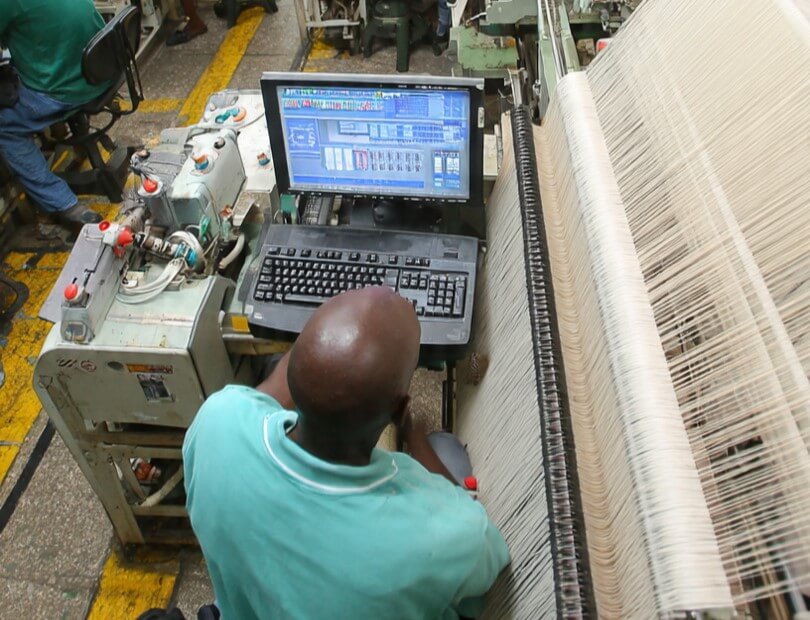
Nigeria’s manufacturing sector, long overshadowed by oil dominance, is emerging as a key pillar in the country’s AfCFTA strategy in 2026. The Federal Ministry of Industry, Trade and Investment (FMITI) has designated the Cotton, Textile, and Garment (CTG) sector as a flagship pilot for industrial transformation, aiming to transition from fragmented interventions to coordinated, demand-anchored value chains. This aligns with the broader 2026 priorities outlined in the Nigeria AfCFTA Achievements Report 2025 and NEPC’s roadmap: deepening value addition in light manufacturing, textiles, agro-processing, solid minerals beneficiation, and pharmaceuticals, while activating industrial clusters, Special Economic Zones (SEZs), and digital free zones to drive productivity and scale.
Manufacturing and textiles stand out because they offer high potential for job creation (millions in formal employment), forex earnings through non-oil exports, and intra-African market capture. Nigeria’s textile industry, once boasting over 175 mills in the 1980s, has declined sharply due to cheap Asian imports and infrastructure challenges, but brownfield assets, a cotton base, and a growing fashion sector provide revival opportunities. Light manufacturing like ceramics, leather goods, cables, household plastics, benefits from AfCFTA’s tariff reductions and rules of origin (RoO) framework, with most lines finalized (92.4% as of 2026, textiles/apparel and automotive still under negotiation, expected completion in 2026).
AfCFTA enables duty-free or reduced-tariff access to a 1.3+ billion consumer base and $3.4 trillion GDP market. For Nigeria, this means shifting from raw material exports to finished/semi-finished goods, building regional value chains (e.g., cotton-to-garment ecosystems), and replacing imports (Nigeria spends billions annually on textiles/apparel from Asia rerouted via African ports). With the Guided Trade Initiative (GTI) expanding, air cargo corridors slashing costs, and events like CANEX 2026 and IATF 2027 on the horizon, 2026 is pivotal for scaling these exports.
This article explores opportunities in textiles/garments and light manufacturing (ceramics, leather), AfCFTA enablers (tariffs, RoO), challenges (import competition, NTBs), strategies for SMEs/exporters, and actionable steps to capitalize on the momentum.
Why Manufacturing and Textiles Are Key for Nigeria Under AfCFTA in 2026
- Strategic Designation & Policy Momentum: FMITI’s 2026 focus includes transforming CTG as a pilot for coordinated value chains, stronger local sourcing, standards compliance, and integration with AfCFTA protocols to scale intra-African trade. This builds on 2025 non-oil export records ($6.1 billion) and priorities like SEZs/digital zones activation.
- High Job & Economic Multiplier Potential: Textiles/garments historically employed millions; revival could create 5 million+ formal jobs by 2030. Light manufacturing (ceramics, leather) supports vertical integration, reducing import dependence (e.g., ₦1.3 trillion annual textile imports).
- AfCFTA Market Access Advantages
- Tariff reductions: Most light manufacturing/textiles in Category A (phased to near-zero by 2026).
- RoO: 92.4% finalized; textiles/apparel negotiations ongoing (phased approach expected, allowing gradual compliance).
- Regional chains: Cumulation enables sourcing from ECOWAS (e.g., fabrics from Côte d’Ivoire) while qualifying for preferences.
- GTI pilots: Textiles/ceramics in early shipments.
- Continental Demand & Import Substitution Urban growth in Kenya/South Africa drives apparel demand; construction boom favors ceramics/tiles. Nigeria can replace Asian imports with “Made in Africa” goods.
- Revival Assets Brownfield mills, cotton base (Northern Nigeria), fashion sector growth (20% of e-commerce), and events like NCISPE 2026 (ceramics summit in Lagos, June 2026) signal momentum.
Key Sub-Sectors and Opportunities
- Textiles and Garments
-
- Potential: Nigeria’s largest apparel market (200M+ population, $4–5B import bill); revive cotton-to-garment chains.
- AfCFTA Edge: Phased RoO (cut/sew in Africa qualifies even with third-country fabric in some cases); duty-free to South Africa retail, Kenya fashion.
- Opportunities: Export ready-made garments, fabrics; target intra-African value chains.
- Challenges: Cheap Asian imports via rerouting; mill decline.
- 2026 Wins: NTMA advocacy for incentives; AfCFTA as regional hub.
- Ceramics and Tiles
- Potential: Vast raw materials (kaolin, feldspar); could generate $2.1B annual exports if gaps addressed.
- AfCFTA Edge: Duty-free to Egypt/South Africa construction; GTI pilots include ceramics.
- Opportunities: Tiles, sanitaryware, tableware; NCISPE 2026 summit attracts global players (China, Italy).
- Strategies: Invest in modern plants; target African markets replacing imports.
- Leather Goods & Related Light Manufacturing
- Potential: Hides from livestock; export bags, shoes, accessories.
- AfCFTA Benefits: Liberalized tariffs; regional chains.
- Outlook: Cluster development for scale.
Strategies for Scaling Exports in 2026
-
- Value Addition & Clusters: Join NEPC clusters/SEZs for shared infrastructure; invest in vertical integration (cotton spinning to garment sewing).
- Compliance & Certification: Secure SON/NAQS; pursue RoO (use phased approach for textiles); get AfCFTA CoO from NEPC.
- Market Entry: Use GTI for pilots/matchmaking; air corridors for samples; digital platforms for e-commerce.
- Funding & Incentives: BOI/AFREXIMBANK loans; NEPC grants; WEIDE for women-led fashion.
- Partnerships: Collaborate with ECOWAS for sourcing; attend summits (NCISPE, CANEX 2026).
Challenges & Realistic Fixes
-
- Import Competition: Enforce tariffs; targeted incentives.
- RoO Delays: Textiles/apparel ongoing; use transitional ETLS.
- Infrastructure/NTBs: Advocate reforms; use digital customs.
- SME Barriers: Build capacity via NEPC workshops.
2026 Outlook & Success Pathways With FMITI’s CTG pilot, SEZ activation, and AfCFTA events, manufacturing/textiles could drive 20–30%+ intra-African non-oil growth. SMEs focusing on value chains will lead revival.
Conclusion
Manufacturing and textiles offer Nigeria a path beyond raw exports, leveraging AfCFTA for jobs, forex, and regional leadership. Start by assessing RoO compliance, joining clusters, and targeting GTI.
As your Export Advisory expert, I support SMEs in textiles/ceramics strategies, certification, funding, and market entry. DM for consultations. Let’s scale Nigeria’s manufacturing under AfCFTA in 2026!