
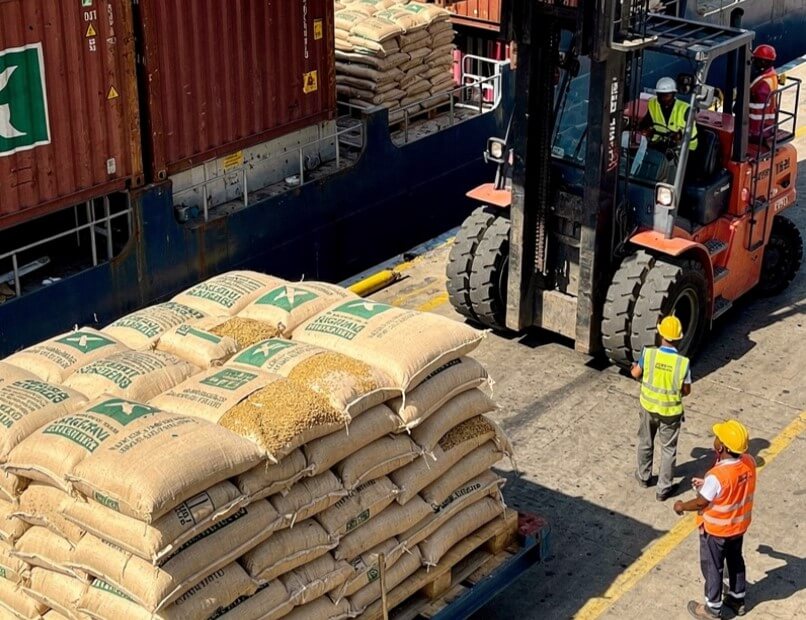
Sesame seeds are one of the most underrated but highly profitable agricultural exports in Nigeria. Unlike cocoa, which requires fermentation and complex processing, sesame seeds are relatively easier to handle; yet they command strong international demand and competitive prices.
Globally, sesame is considered a high-value oilseed crop, used across multiple industries including food processing, edible oil production, pharmaceuticals, and cosmetics. What makes sesame especially attractive for exporters is its broad global demand; it is consumed heavily in Asia, the Middle East, and increasingly in Europe and North America.
Nigeria is among the top producers of sesame seeds in Africa, and its product is particularly valued for its high oil content and purity. This gives Nigerian exporters a strong advantage in international markets.
However, like cocoa, success in sesame export is not simply about supply. It requires understanding buyer requirements, quality specifications, pricing mechanisms, and logistics.
Understanding Sesame Seeds: Types, Uses, and What Buyers Actually Want
Sesame seeds may look simple, but the global market differentiates them carefully based on type, color, and oil content.
There are two major categories commonly exported from Nigeria:
- White sesame seeds – Preferred in international markets, especially in Asia and the Middle East
- Brown or mixed sesame seeds – Used for oil extraction and lower-grade applications
White sesame seeds are more valuable because they are used in food products such as bakery items, confectionery, and traditional dishes like tahini. Their clean appearance and uniformity make them suitable for direct consumption.
Sesame seeds are used in a wide range of industries. In food production, they are used in bread, snacks, sauces, and oils. In the cosmetic industry, sesame oil is valued for its antioxidant properties. In pharmaceuticals, sesame derivatives are used in medicinal formulations.
What buyers care about most is not just the seed itself, but specific characteristics such as:
- Oil content
- Purity level (absence of stones, sand, or foreign matter)
- Moisture content
- Seed size and uniformity
These factors directly influence price and buyer preference
Global Market Structure: Where Sesame Seeds Fit in World Trade
The sesame seed market is truly global. Unlike some commodities that are concentrated in specific regions, sesame is traded widely across continents.
Africa, particularly countries like Nigeria, Sudan, and Ethiopia, serves as a major production hub. However, most of the consumption happens outside Africa, especially in Asia.
Asian countries dominate sesame consumption due to their culinary traditions. Sesame is a key ingredient in many Asian dishes, oils, and condiments. Meanwhile, the Middle East uses sesame extensively in products like tahini and halva.
Europe and North America represent smaller but growing markets, driven by health-conscious consumers and the popularity of plant-based diets.
This global spread of demand makes sesame one of the most flexible export commodities; you are not limited to one region.
Top Countries Importing Sesame Seeds from Nigeria
- China
China is the largest importer of sesame seeds globally. Its demand is driven by massive food processing industries and high consumption of sesame oil. Chinese buyers typically purchase large volumes and prioritize consistent supply.
For Nigerian exporters, China represents one of the most accessible and scalable markets. However, it is also highly competitive, meaning quality and pricing must be carefully managed.
2. India
India plays a dual role as both a producer and importer of sesame seeds. It imports sesame to supplement domestic production and to meet export commitments for processed sesame products.
Indian buyers often focus on oil extraction, making oil content a key quality factor.
3. Turkey
Turkey is a major consumer of sesame seeds due to its large tahini and bakery industries. Sesame is deeply embedded in Turkish cuisine, creating steady demand.
4. Japan
Japan represents a premium market. Buyers here demand extremely clean, well-processed sesame seeds with strict quality standards. While entry is more difficult, prices are often higher.
5. South Korea
South Korea imports sesame primarily for oil production and traditional food products.
6. Middle East Markets
Countries like the UAE and Saudi Arabia are major importers due to high consumption of sesame-based foods.
Global Demand Trends
The sesame market has been growing steadily, and several factors are driving this growth.
One major factor is the increasing global demand for plant-based oils. As consumers move away from animal fats, sesame oil is gaining popularity due to its health benefits.
Another factor is the rise of health-conscious eating. Sesame seeds are rich in nutrients such as calcium, iron, and healthy fats, making them attractive to modern consumers.
There is also increasing demand for organic and chemical-free sesame. Buyers are willing to pay premium prices for seeds that meet organic certification standards.
Additionally, population growth in Asia and the Middle East continues to drive consumption upward.
How Sesame Seeds Are Valued in Global Markets
Sesame prices are influenced by several factors, and understanding them is key to profitability.
The most important factor is quality. Clean, well-processed sesame seeds with high oil content command higher prices.
Another factor is global supply and demand. If major producing countries experience poor harvests, prices increase.
Currency exchange rates also play a role. Since sesame is traded internationally in U.S. dollars, fluctuations in exchange rates can significantly affect profit margins for Nigerian exporters.
Pricing is typically done per metric ton, and exporters make profit by managing the difference between local purchase price and international selling price.
Who Buys Sesame Seeds?
The sesame market includes several categories of buyers.
Food manufacturers are the largest buyers, using sesame in baked goods, snacks, and sauces. Oil processors form another major category, extracting sesame oil for cooking and industrial use.
Commodity traders also play a key role, buying large quantities and redistributing them across global markets.
Finally, there are specialty buyers who focus on organic or premium sesame seeds for niche markets.
Understanding which category you are targeting helps determine your pricing strategy and quality requirements.
Why Nigeria Has a Competitive Advantage
Nigeria has several strengths in sesame production and export.
The country’s climate is well-suited for sesame cultivation, particularly in northern regions. Nigerian sesame is known for its high oil content, which is highly valued in international markets.
Labor availability and relatively low production costs also provide a competitive advantage.
However, Nigeria still faces challenges such as inconsistent quality control and limited processing infrastructure. Addressing these issues can significantly increase export earnings.
Export Process: From Farm to International Buyer
Exporting sesame seeds involves several structured steps.
The process begins with sourcing seeds from farmers or aggregators. At this stage, quality must be carefully assessed to ensure the seeds meet export standards.
Next is cleaning and processing. Sesame seeds must be free from stones, sand, and other impurities. Mechanical cleaning is often required for high-quality exports.
After processing, the seeds are packaged, usually in durable bags suitable for shipping.
Exporters must then complete documentation, including invoices, packing lists, and certificates of origin. Regulatory compliance is handled through organizations like the Nigerian Export Promotion Council.
Finally, the goods are shipped through Nigerian ports to international buyers.
Risks in Sesame Export Business
Despite its profitability, sesame export comes with risks.
Quality issues are one of the biggest challenges. Even small impurities can lead to rejection or price reduction.
Market price fluctuations can also affect profitability. Prices may drop if supply increases globally.
Fraud is another risk, particularly when dealing with unknown international buyers.
Logistics delays and port congestion can disrupt delivery schedules and increase costs.
Strategies for Success in Sesame Export
Success in sesame export requires more than just participation; it requires strategy.
Building strong relationships with reliable buyers ensures repeat business and stable income.
Investing in cleaning and processing equipment improves quality and increases pricing power.
Focusing on niche markets, such as organic sesame, can significantly increase profit margins.
Scaling operations gradually helps manage risk while expanding capacity.
Conclusion: Sesame Seeds as a Scalable Export Opportunity
Sesame seeds offer one of the most accessible entry points into agricultural export from Nigeria. They require less complex processing than cocoa but still provide strong global demand and competitive pricing.
For exporters who understand the market, maintain quality standards, and build strong buyer relationships, sesame is not just a commodity, it is a scalable, long-term business opportunity.
Our direct messages are open for further clarification, consulting services, hand-holding, and training guides.