
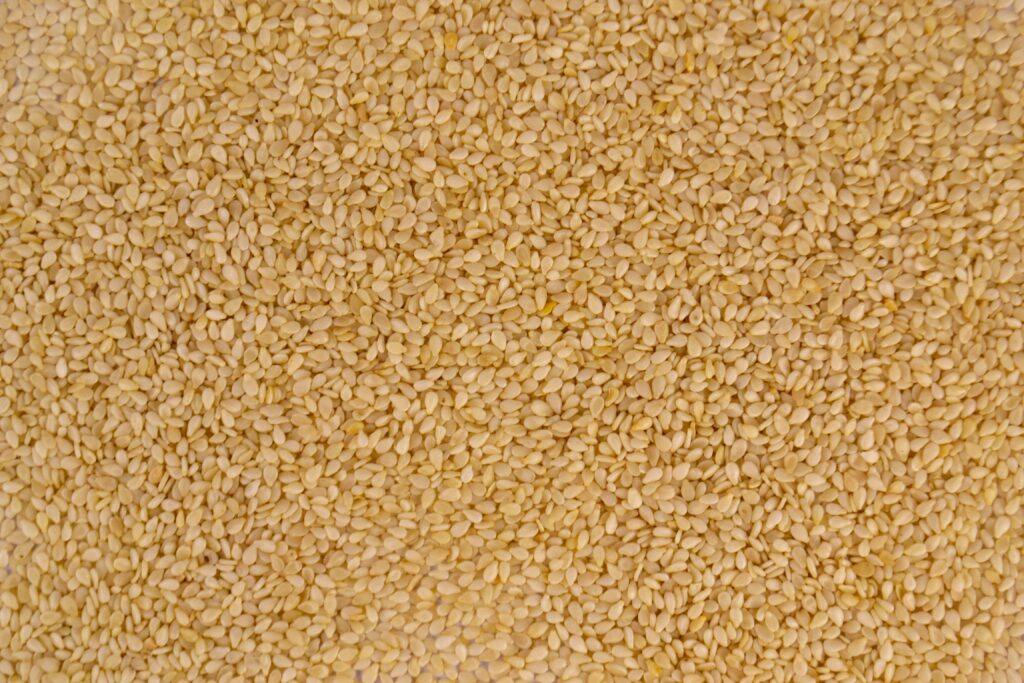
Nigeria is one of the leading producers and exporters of sesame seeds in the world, locally known as beniseed or sesamum. The increasing global demand for healthy foods, vegetable oils, cosmetics and industrial ingredients has made sesame seeds one of Nigeria’s most lucrative agricultural export commodities.
Nigeria’s sesame industry presents opportunities for farmers, aggregators, processors and export companies looking at entry into international markets such as China, Japan, Turkey, India, Europe and the United States.
But successfully exporting sesame seeds is more than just buying seeds from local markets and shipping them overseas. Buyers from other countries want high-quality products, proper documentation, reliable supply and compliance with export regulations. This guide covers the complete process of exporting sesame seeds from Nigeria.
Why Sesame Seeds Are a Profitable Export Item
Sesame seeds are one of Nigeria’s main agricultural exports due to their versatility and strong international demand.
Global buyers use sesame seeds for:
- Production of sesame oil
- Bakery goods
- Candy
- Food ingredients and tahini
- Beauty products
- Medicines
- Production of animal feed
Nigeria has a competitive advantage because its sesame seeds are reputed to have high oil content, which normally falls between 45% and 55%. The product is especially attractive to buyers seeking natural agricultural ingredients.
Major Sesame Production Areas in Nigeria
Sesame is mainly grown in Northern and Middle Belt States.
The major producing states are:
- Nasarawa State
- Benue State
- Jigawa
- Kano
- Taraba
- Gombe
- Kaduna State
- Plateau State
- Kogi
- Bauchi State
Nasarawa is well known for the production of high-quality white sesame types.
Exporters can obtain sesame through:
- Direct relationships with farmers
- Agricultural cooperatives
- Local aggregators
- Commodity markets
Popular places to buy from include:
- Dawanau Market, Kano
- Doma, Nasarawa
- Malam Madori, Jigawa State
- Potiskum, Yobe
Exporters also deal directly with farmers or cooperatives to maintain quality and minimize supply problems.
Varieties of Sesame
The two main varieties of sesame traded internationally are:
White Sesame Seeds
Light cream or white sesame is generally regarded as premium quality.
It is preferred for:
- Human consumption
- Japan market
- European markets
- Gourmet food shops
Brown Sesame Seeds
Common uses of brown sesame include:
- Production of oil
- Industrial purposes
Generally, premium markets will pay more for clean, uniform white sesame.
Step 1: Register Your Export Business
Businesses have to register before they can start exporting sesame commercially.
Corporate Affairs Commission (CAC)
The first step is to legally register the business with CAC.
Export companies will obtain:
- Incorporation Certificate
- Company registration papers
- Taxpayer Identification Number (TIN)
Nigerian Export Promotion Council (NEPC)
Before exporting, commercial exporters must register with NEPC.
NEPC offers:
- Export registration
- Market information
- Trade assistance
- Export training
- Access to export incentives
Exporters can complete their registration through the NEPC exporter registration portal.
Exporters should also open a domiciliary account with an authorized bank for receiving international payments.
Step 2: Get and Prepare Export-Quality Sesame
A shipment of sesame is accepted or rejected based on its quality. International buyers demand sesame that meets strict specifications.
Key quality requirements include:
Purity
Export-grade sesame should have:
- Purity of 98–99%
- Higher grades can reach up to 99.9% purity
Impurities including:
- Rocks
- Sand
- Foreign materials
These can reduce value or result in rejection.
Moisture Content
Moisture levels should generally be:
- Less than or equal to 6%
High moisture increases the risk of mold and quality deterioration.
Oil Content
Premium sesame usually contains:
- 45–55% oil content
Generally, the higher the oil content, the better the price.
Contamination Control
Exporters must prevent:
- Aflatoxin contamination
- Pesticide residues
- Salmonella contamination
- Pest problems
These are some of the biggest reasons for rejection of agricultural exports.
Step 3: Cleaning, Processing and Packaging
It is necessary to process sesame seeds properly before shipment.
This may include:
- Washing
- Drying
- Sorting
- Grading
- Stone removal
- Colour sorting for premium markets
In high-value markets, exporters may invest in advanced cleaning systems to achieve higher purity levels.
Packaging is also important.
Standard export packaging includes:
- 25kg sacks
- 50kg bags
- 80kg bags
Exporters should use clean and new polypropylene bags. Premium buyers may not accept used packaging.
Step 4: Get Required Export Documents
There are several documents required to export sesame seeds.
Common documents include:
NEPC Export Certification
Proof of the exporter’s registration for commercial export activities.
Nigeria Export Proceeds Form (NXP)
The NXP form is processed through an authorized dealer bank to monitor foreign exchange proceeds from exports.
Phytosanitary Certificate
Issued by the Nigeria Agricultural Quarantine Service (NAQS).
This confirms that the sesame consignment is free from pests and diseases and meets plant health requirements.
Certificate of Origin
Shows where the product was produced.
Certificate of Fumigation
Confirms that the shipment has been treated for pests.
Certificate of Analysis
Laboratory testing indicates:
- Moisture level
- Cleanliness
- Contaminant levels
- Quality specifications
Other standard documents include:
- Proforma Invoice
- Packing List
- Bill of Lading
- Weight Certificate
- Inspection certificates
Step 5: Search for Foreign Buyers
Successful exporters find buyers before shipping.
Major sesame markets include:
- China
- Japan
- Turkey
- India
- Vietnam
- South Korea
- Germany
- Netherlands
- United States
Buyers are located through:
- Trade exhibitions
- NEPC programmes
- Commodity associations
- Business-to-business platforms
- International distributors
- LinkedIn networking
Buyers in Japan and Europe generally expect higher quality, but they are usually willing to pay a premium.
Step 6: Finalizing Export Terms and Payment
Export contracts should clearly define:
- Product specifications
- Quantity
- Price
- Delivery terms
- Payment method
Common Incoterms include:
- FOB Lagos
- CFR
- CIF
For new buyers or large shipments, exporters should consider secure payment methods such as:
- Letter of Credit (L/C)
- Partial upfront payment
- Bank-supported transactions
Step 7: Shipping Sesame Seeds from Nigeria
Nigeria exports most sesame through major ports such as:
- Apapa Port
- Tin Can Island Port
One standard container can carry approximately:
- 19–20 metric tons in a 20-foot container
- 26–27 metric tons in a 40-foot container
Estimated delivery times:
- Europe: 12–18 days approximately
- India: 18–22 days approximately
- China: 25–32 days approximately
Exporters should use experienced freight forwarders who understand agricultural cargo.
Challenges in Sesame Seed Export
Despite strong demand, sesame exporters face several challenges.
Quality Rejection
Common reasons include:
- High humidity
- Aflatoxins
- Pesticide residues
- Poor cleaning
- Contamination
Delivery Problems
Challenges include:
- Seasonal availability
- Poor storage facilities
- Variable farmer quality
Market Competition
Nigeria competes with exporters from countries such as:
- Sudan
- Ethiopia
- Tanzania
Maintaining quality is necessary to remain competitive.
Tips From Successful Sesame Exporters
To succeed in sesame export:
- Build strong relationships with trusted farmers
- Invest in quality control and cleanliness
- Test shipments before export
- Understand buyer specifications
- Work with professional logistics partners
- Maintain proper documentation
- Start with manageable shipment sizes
Exporters should also consider value addition, such as:
- Advanced cleaning
- Hulled sesame
- Sesame oil production
In some cases, raw seeds have lower profit margins than value-added products.
Final Thoughts
Sesame seed export is one of the strongest agricultural export opportunities in Nigeria.
Sesame is a profitable export opportunity because of high global demand, favourable growing conditions and established international markets.
However, success depends on quality control, compliance with regulations, reliable sourcing and strong relationships with international buyers.
Nigerian sesame seeds can become a gateway into global agricultural trade for businesses willing to invest in preparation and international standards.
Stay Updated with Export Opportunities
Want to learn more about export opportunities, international markets, trade updates, business insights and practical guides for growing your business globally?
Follow the Export Pundit WhatsApp Channel and stay connected with the latest export information, opportunities and resources.
Follow the Export Pundit channel on WhatsApp: https://whatsapp.com/channel/0029VbDqERt89inmi1pn6Q0Y